
Where the money moved
Ad buys follow the widening map. When a red-leaning state turns competitive, its media markets start pricing like a swing state's and local stations fill up.
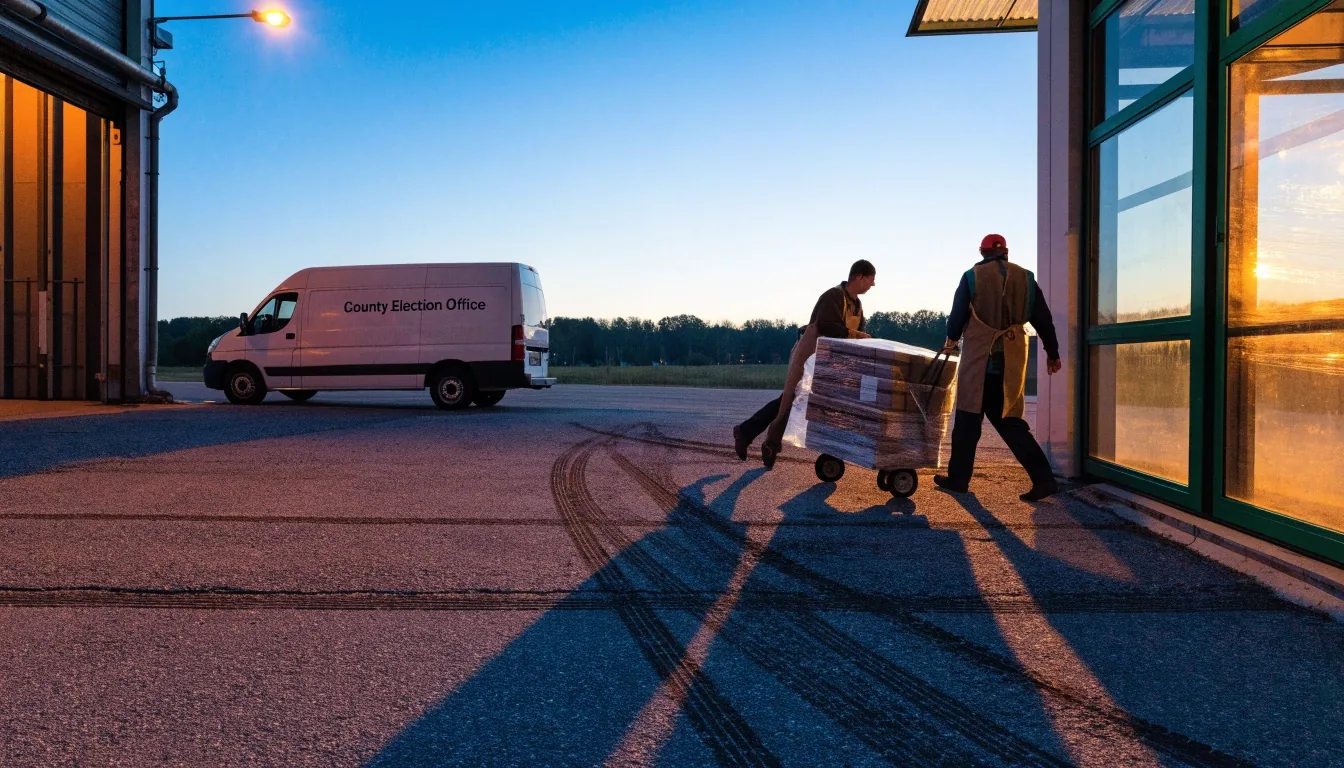
MIDTERM LANDSCAPE, OCTOBER 2026
Midterm elections are usually decided in a handful of states, and this cycle is no different. We track the Senate and House contests that will determine control of Congress, along with the polling, turnout patterns, and local issues driving them.
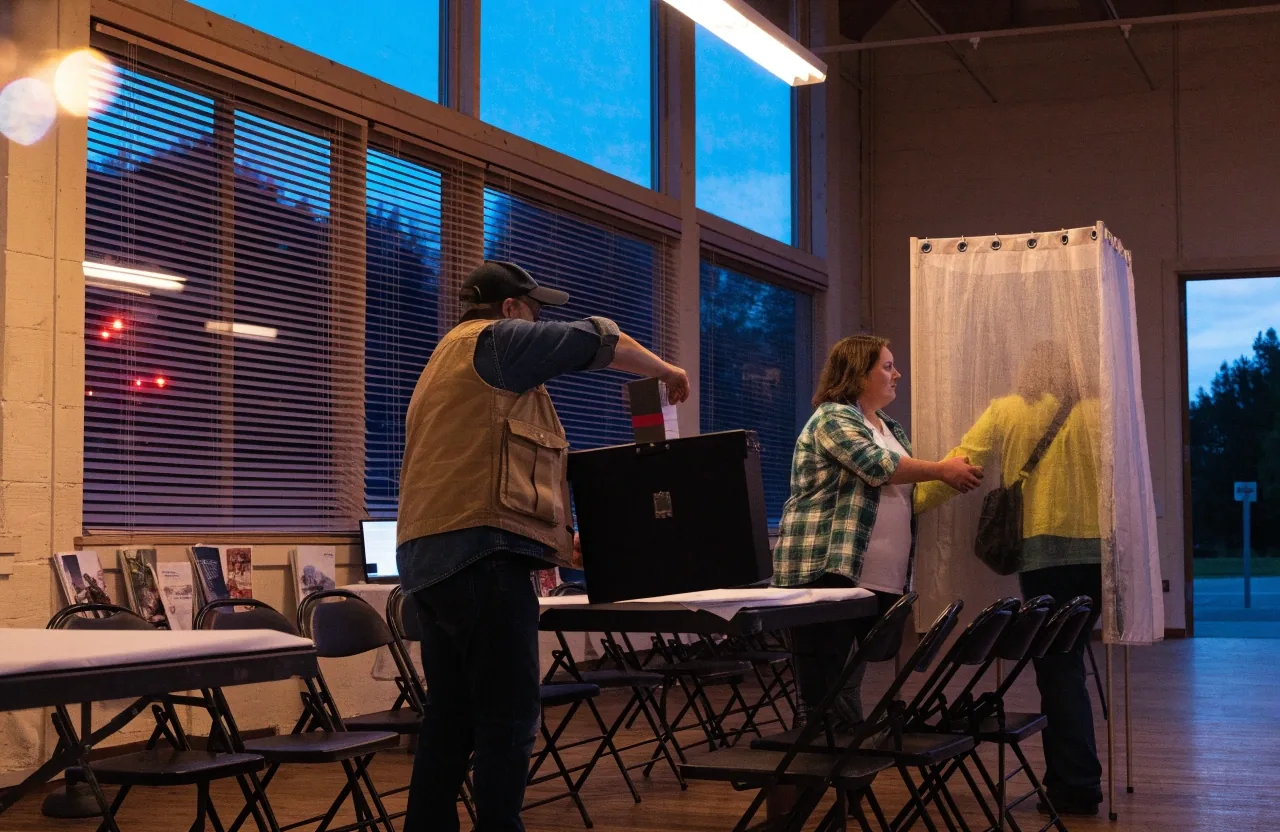
WHAT THIS PAGE DOES
We focus on races where the outcome is genuinely uncertain, not the ones that only look close on paper. A district redrawn by a court, a retiring incumbent, a suburban shift that shows up late — those move a seat. A tightening poll with a small sample usually doesn't. Below are the four things worth your attention this cycle, and the reading that keeps you from chasing noise.
RACES IN PLAY
4
Senate contests, House battlegrounds, and the two variables that quietly move both.
Conventional cycles produce a short list of competitive seats. This one keeps growing.
Senate
Local conditions beat national forecasts, seat by seat.
House
Sample size, timing, and wording decide whether a number is signal.
Polling
The quiet variable in every midterm, and where we put our attention.
Turnout
Conventional cycles produce a short list of competitive Senate seats. This one keeps growing. South Carolina has become one of the surprise storylines, with appointed GOP Sen. Darline Graham facing Democrat Annie Andrews and Libertarian nominee Kasie Whitener. Michigan is drawing similar attention as a Midwest contest built around affordability and turnout, with Democratic nominee Abdul El-Sayed at its center. When assumed-safe states turn competitive, national money and attention follow.
That widening changes the calendar as much as the map. A race that wasn't on a party's spending list in the spring can absorb a seven-figure ad buy by October, and the local news cycle starts answering to out-of-state money. We keep the list of genuinely competitive seats separate from the list of seats that get covered because they're loud.
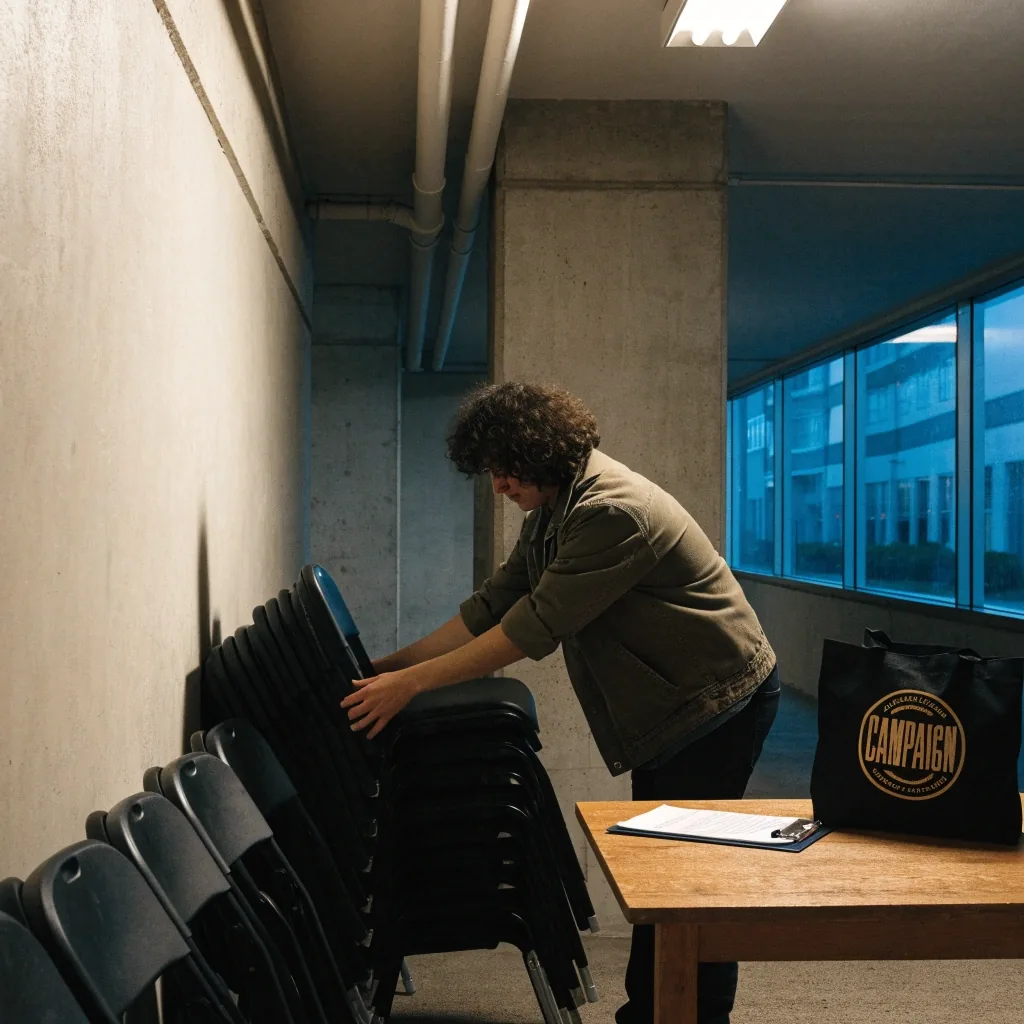
An office that didn't exist in the spring is now staffing a statewide race.
MICHIGAN AND THE LEFT
Michigan has a habit of forcing Democrats to define themselves. This cycle, the race has become a battle over nominee Abdul El-Sayed and how far left the party's message should reach. Campaign framing there ties directly to affordability, ideology, and who actually shows up in November.
It's one of the clearest tests of whether progressive framing wins a Midwest swing state or costs it. Watch where the campaign spends its closing weeks — affordability messaging in the suburbs and turnout messaging in the cities are two different bets on the same electorate.
A state that rarely decides Senate control is now part of the conversation. Coverage describes the South Carolina race as unexpectedly competitive late in the cycle, with three named candidates and a single scheduled debate. That scarcity of debates makes each appearance matter more. If the race stays close, it tells us something about how national mood travels into red-leaning states.
Three named candidates on one ballot in a state that hasn't hosted a real Senate fight in years.
A single scheduled debate means every other appearance — town hall, interview, ad — carries the race.
A close finish here says national mood is reaching further into red-leaning states than usual.
Most House seats aren't competitive, and pretending otherwise wastes your time. The ones that matter are often decided by small margins and local conditions: a retiring incumbent, a district redrawn by a court, or a suburban shift that shows up late. We track those seats individually rather than lumping them into a national forecast. Redistricting decisions, including the Missouri map litigation, feed directly into which districts are even in play.


Court decisions on maps — the Missouri litigation among them — decide which districts are even contestable before a single ad runs. A seat that looked safe under the old lines can become the cycle's tightest race.
A poll is a snapshot with a margin of error attached, and treating it as a prediction is how people get surprised. We look at sample size, timing, and question wording before repeating a number. One survey showing a challenger ahead is a data point; a consistent trend across several is a signal. We try to keep that line visible in every race we cover.
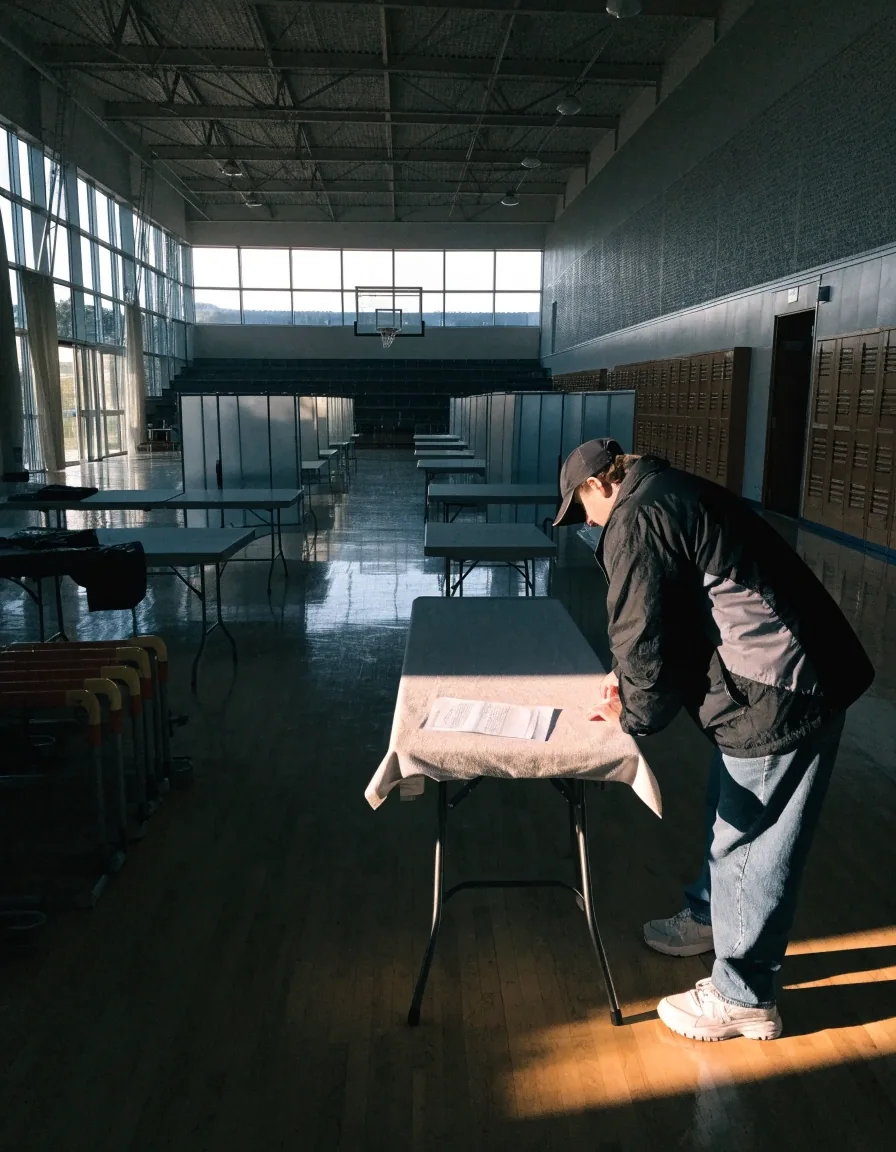
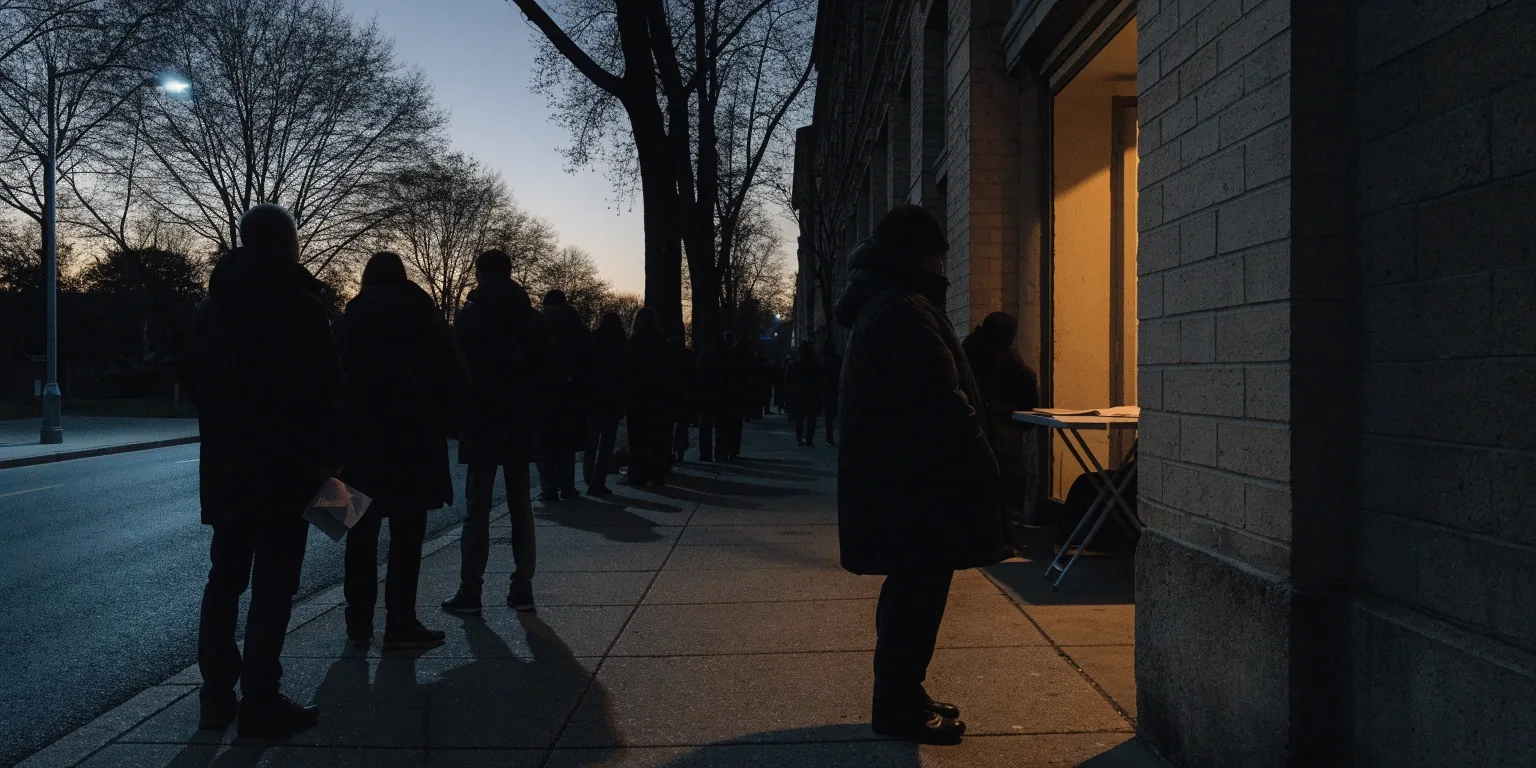
Turnout is the quiet variable in every midterm. Affordability, health care, and immigration enforcement tend to move irregular voters more than abstract debates about process. Campaigns also test how much a candidate's national profile helps or hurts down-ballot. In close states, the party that turns out its marginal voters usually wins, and that's where we put our attention.
Two practical reads: early-vote and mail-ballot totals tell you which side is banking votes before election day, and the gap between a district's turnout in a presidential year and a midterm tells you how much of the electorate is actually reachable. Neither explains a race on its own. Together they usually tell you where to look.
Not every competitive race is in a traditional swing state. This cycle has pushed attention into places that rarely get it, including red-leaning states with unusually tight Senate contests. That shift changes where campaigns spend money and which local issues get national airtime. We follow the map as it moves instead of relying on last cycle's assumptions.
Ad buys follow the widening map. When a red-leaning state turns competitive, its media markets start pricing like a swing state's and local stations fill up.
A plant closing or a hospital merger can outrun a national message. Those stories decide more of a red-leaning race than any debate clip.
Third-party and independent entrants can pull enough to matter in a close three-way race — and they rarely show up in a two-candidate headline.
We update this list as court rulings and withdrawal deadlines land, so a state that looks settled in October can reopen in the final weeks.
Start with the incumbent, then the challenger, then the last credible poll. Add any court ruling or redistricting change that altered the district, and note whether a third-party candidate could draw enough votes to matter. If those four things don't explain the race, look at local turnout history. That checklist won't predict the outcome, but it keeps you from being misled.
Identify the incumbent and whether they're running again.
Read the challenger's fundraising and field operation, not just their name recognition.
Check for a redistricting or court change that altered the district's shape.
Look at turnout history and whether a third-party candidate could shift the total.
Senate contests where control is genuinely undecided, House districts that flipped or were redrawn, and the state-level races that shape turnout. If a race only looks close because of a single poll, we say so and leave it off the tracker.
Whenever something real moves it: a filing deadline, a court ruling on a map, a candidate withdrawal, or a string of credible polls pointing the same way. We don't update a race because a single survey of a few hundred voters reversed.
No. We describe what the evidence shows for each race and where it's uncertain, and we keep the polling, redistricting, and turnout threads visible so you can follow the reasoning instead of a number.
Yes. Local detail is often what's missing from national coverage — a changed polling location, a candidate forum nobody covered, a mailer that's circulating. Use the contact page and tell us what you're seeing.
Election coverage sits alongside our Policy & Governance and Courts & Accountability sections. Start from this page for races, or jump to those two if the story you're following is about what happens after the votes are counted.
Our tracker carries the Senate map, the House battlegrounds, and the polling and turnout threads that explain both. If you want to understand the polling method first, the route below walks through it. If you have something from your own district, send it — that's often the detail national coverage misses.
CONTINUE READING
Reach the desk at Contact — Monday to Friday, 9:00 AM – 6:00 PM ET.