

How Ixmavelle Digital covers politics
Ixmavelle Digital is a political news publication for readers who want to understand how power actually works in Washington and in the states. We cover the 2026 midterms, the executive branch, the courts, and the policy fights that reach households. Our approach is simple: report what happened, explain why it matters, and show where the evidence comes from.
What we cover and why
We concentrate on four areas: elections, policy and governance, courts and accountability, and the stories that connect them. That focus is deliberate. National political coverage often drowns readers in volume, and a narrower beat lets us go deeper on the races and decisions that actually change outcomes. If a story doesn't shift power, policy, or representation, it usually isn't for us.
In practice that means we follow a bill from committee markup to floor vote, a redistricting map from filing to appellate ruling, and a Senate race from the first filing deadline to the count. We would rather return to the same race five times with new information than publish five unrelated takes on it. Readers who stay with a story across months see the same names, the same documents, and the same questions, and that continuity is the point.
How we gather information
We build our reporting from public records, official statements, court filings, and direct outreach to the people involved. When we rely on another outlet's reporting, we say so and point to the original. We don't present a single anonymous claim as established fact. If we can't verify something, we either hold it or label it clearly as unconfirmed.
Primary documents first
A bill text, a docket entry, a committee filing, a budget line: the paper comes before the framing. When a document is new, we link readers to it in the piece so the claim can be checked without our help.
Outreach, on the record
We ask offices, agencies, campaigns, and attorneys to respond, and we note when they decline or don't answer. A no-comment is part of the story, not a gap to fill with a guess.
Borrowed reporting, credited
When another newsroom breaks something, we name them and link the original. What we add is context and follow-up, and we say plainly which parts of a story we did not report ourselves.
Our editorial standards
Accuracy comes before speed, which is a harder standard than it sounds in a daily news cycle. We correct errors visibly rather than quietly editing them away, and we distinguish reporting from analysis in the way a piece is written. Opinion, when we publish it, is labeled as opinion. We don't run fabricated quotes, invented polls, or composite characters.
That also means a piece will sometimes publish later than a competitor's. We weigh the cost of that delay against the cost of a wrong correction, and we accept the delay. When a story is moving and the facts are not settled, we write what is confirmed, say what is not, and update the piece as reporting develops rather than rewriting history around a new version.
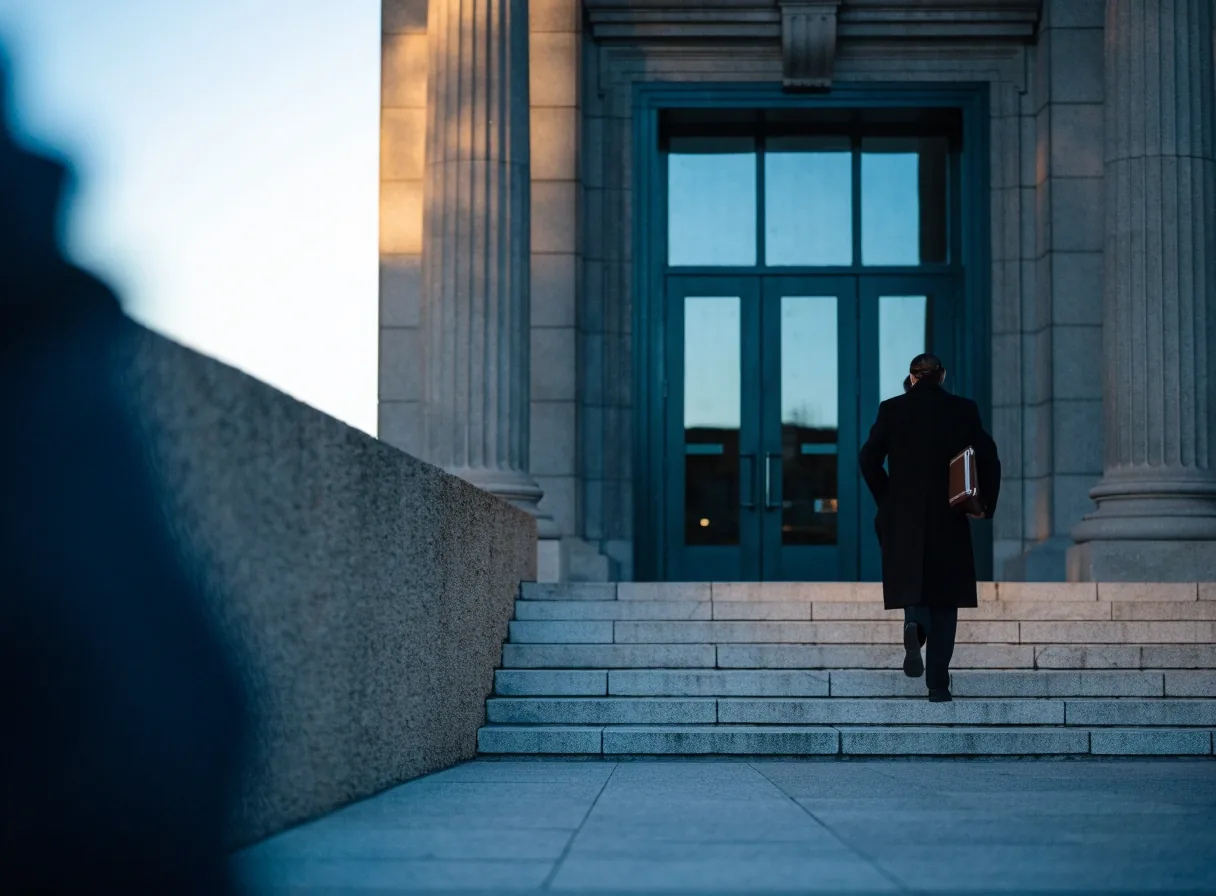
What these standards look like on the page
- Corrections
- When a factual error changes the meaning of a story, we publish a correction and note it at the top of the piece. Silent edits are reserved for typos.
- Reporting vs. analysis
- A news piece sticks to what can be shown. An analysis piece is labeled as analysis, argued in the open, and holds to the same sourcing rules.
- Opinion
- Opinion is labeled as opinion and kept separate from the news desk. It argues a case; it does not pretend to be a report.
- Sources
- Named sources where possible. When a person cannot speak safely, we explain why they are unnamed and how we confirmed what they told us.
- Quotes and characters
- No fabricated quotes, no invented polls, no composite characters. Quotes appear as spoken or written, trimmed only where trimming does not change the meaning.

Committee rooms are where most of what we cover is decided, well before it reaches a floor vote.
Independence and how the site is funded
Our coverage is not directed by a political party, campaign, or advertising client. Editorial decisions sit with the editorial team, and commercial relationships don't get a say in what we publish.
Funding comes from advertising and from readers who support the work directly. Advertisers buy space; they do not buy coverage, and they are not shown stories before publication. If the way we are funded ever changes in a material way, we will disclose it here rather than quietly update a line somewhere else. Readers should know who pays for the journalism they are reading.
Editorial decisions
Made by the editorial team, and answered for in public through the corrections policy on this page.
The beat we know best
We spend most of our time on the 2026 midterm landscape, including Senate races in South Carolina and Michigan, and the redistricting litigation that shapes House seats. We also follow the Trump administration's disputes over Russia policy and media access, and the Justice Department's inquiries into TV networks. Those stories are connected, and covering them together is more useful than treating each as isolated.
South Carolina Senate race
A seat that decides committee control, followed through filing, primary, and the general. We track the money and the map alongside the message.
Michigan Senate race
A state where redistricting, labor, and turnout math all meet. District lines and turnout models matter here as much as the candidates.
Redistricting litigation
Maps drawn in one year govern elections for a decade. We follow the cases that redraw House seats, from complaint to ruling.
Executive branch disputes
Russia policy, press access, and Justice Department inquiries into networks, read together because they touch the same questions about authority.
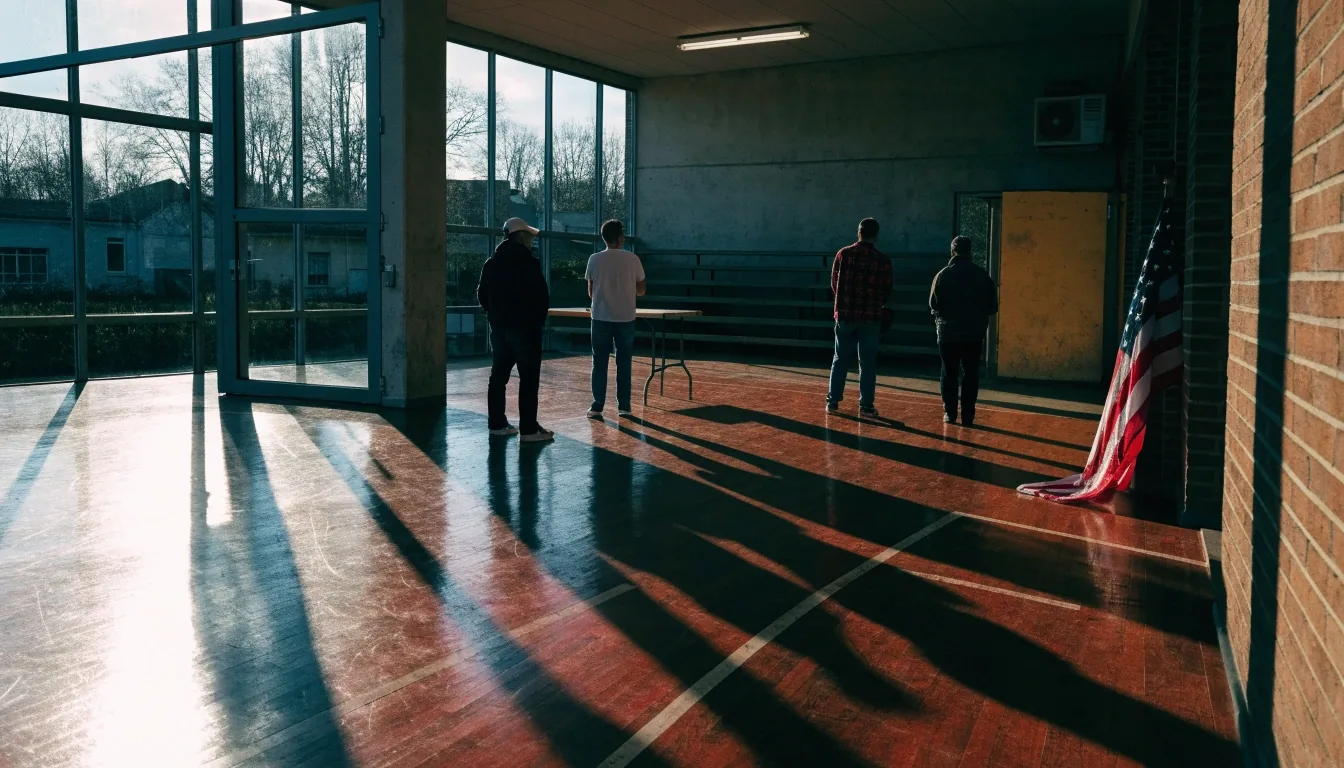
Who this site is for
Our readers are politically engaged people who want context, not confirmation. Some work in policy, some are students, and many are simply voters who follow the news closely. We assume you know the basics and don't need them repeated. That lets us spend space on the details that separate a real development from a headline.
If you already know how a bill becomes law, we will not explain it again. We will tell you which amendment moved, which member traded a vote, and which agency has to write the rule before anything changes on the ground.
What we won't do
- We won't tell you how to vote.
- We won't pretend a contested story is settled.
- We won't run synthetic quotes or invented sources.
- We won't dress up a press release as reporting.
- We won't pretend to be a brand we're not. Ixmavelle Digital is our publication, and we stand behind it.
If a promise sounds too clean for politics, it probably is.
Corrections and how to reach us
If we get something wrong, tell us and we'll look at it. We publish corrections when a factual error changes the meaning of a story, and we note significant updates at the top of a piece. Tips are welcome, including documents that help verify a claim.
The editorial team reads what arrives. We do not promise a reply to every message, but a correction with a document attached gets checked the same day it reaches us.
Newsroom
Ixmavelle Digital
1600 Pennsylvania Avenue NW, Washington, DC 20500
+1 202-467-4083
Monday to Friday, 9:00 AM – 6:00 PM ET
Questions readers send us most
Do you accept anonymous tips?
Yes, and we say in the story when a source could not be named, along with how we confirmed what they gave us. Documents are the most useful thing you can send, because they can be checked independently.
How fast do you correct a mistake?
We check credible correction requests as soon as we can, usually the same working day, and we publish the correction once it is confirmed. Where a fix changes the meaning of a headline, we correct the headline too rather than leaving it standing.
Do campaigns or parties get to review a story?
No. We ask for comment and we report the response, including silence. Nobody outside the editorial team sees a piece before it is published, and no advertiser sees it at all.
Where should I start reading?
Start with the beat closest to what you follow, and read back through it rather than jumping between topics. The Elections, Policy and Governance, and Courts and Accountability pages each collect a running record.
Where to go from here
Four pages carry the reporting this publication is built around, and the newsroom is a message away if you have a document, a correction, or a question about how we work.